Skip to content

Sustainability

Commitment to sustainability and health.

We are dedicated to producing vegan leather with a focus on sustainability and the reduction of microplastics in both human and animal bodies. Our mission is to address environmental and health concerns by offering an alternative to traditional leather that minimizes harmful impacts.

handcraft
0% Plastic content in the finished material
1 Location — grown and finished entirely in Oregon
100% Vegan. No animal products used

How we compare.

Other alternative leathers

Many alternative leathers use plant-based or bio-based inputs such as mango, cactus, or apple, but rely on polyurethane or other synthetic polymers to achieve leather-like performance. Genesi takes a different approach, creating a leather alternative without conventional plastic polymers.

Cowhide leather

Around 80–90% of leather produced worldwide is chrome-tanned, using chromium salts and other chemicals in a process that generates a large amount of chromium-polluted wastewater. Genesi leather doesn't rely on a tanning process, and achieves its strength using biological materials like cellulose.

Pleather/PU-based leather

Pleather offers a cheap alternative to animal leather, but is made primarily from petroleum-derived plastics such as polyurethane or PVC. These materials end up as microplastics that persist in the environment.
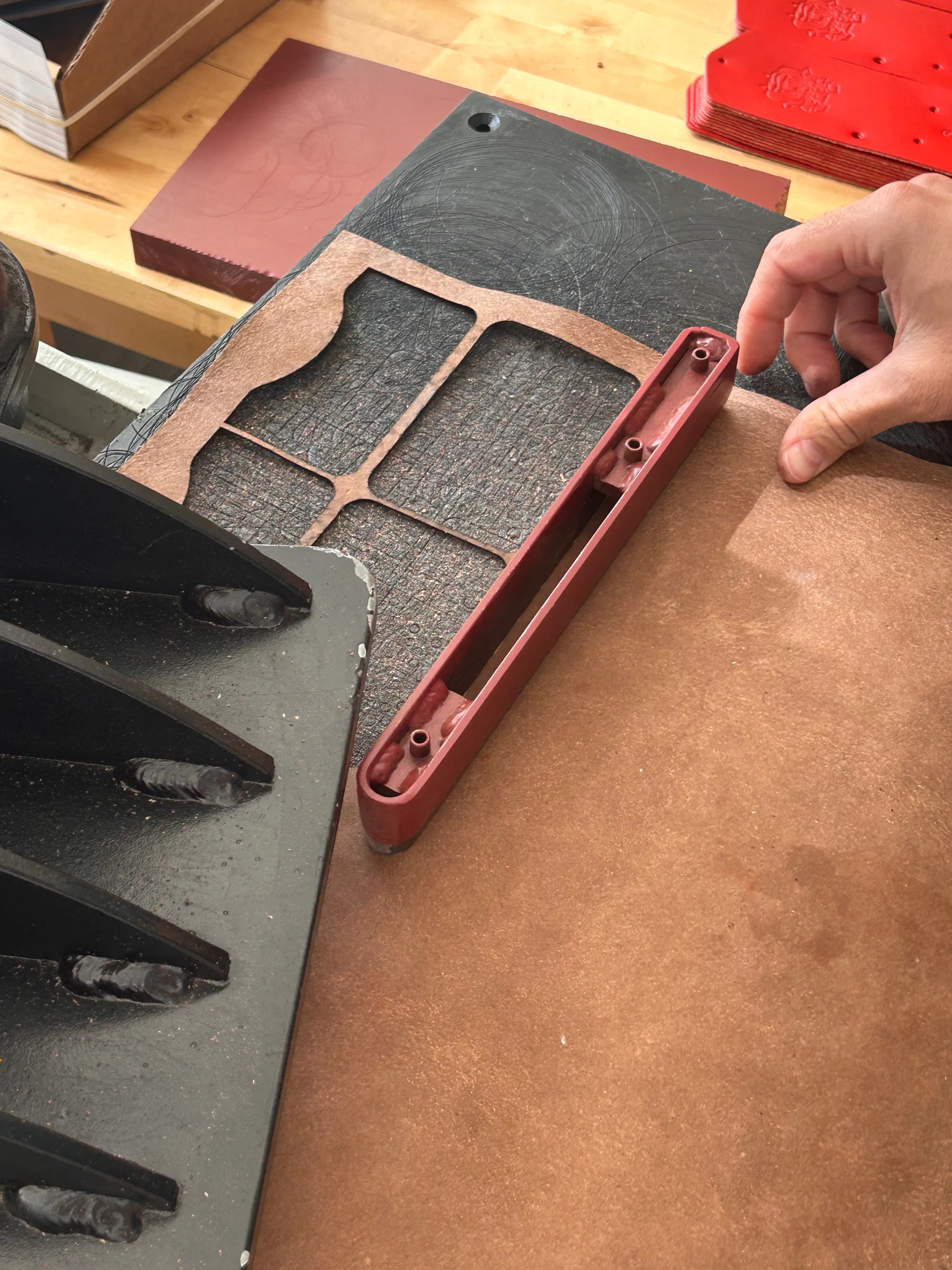
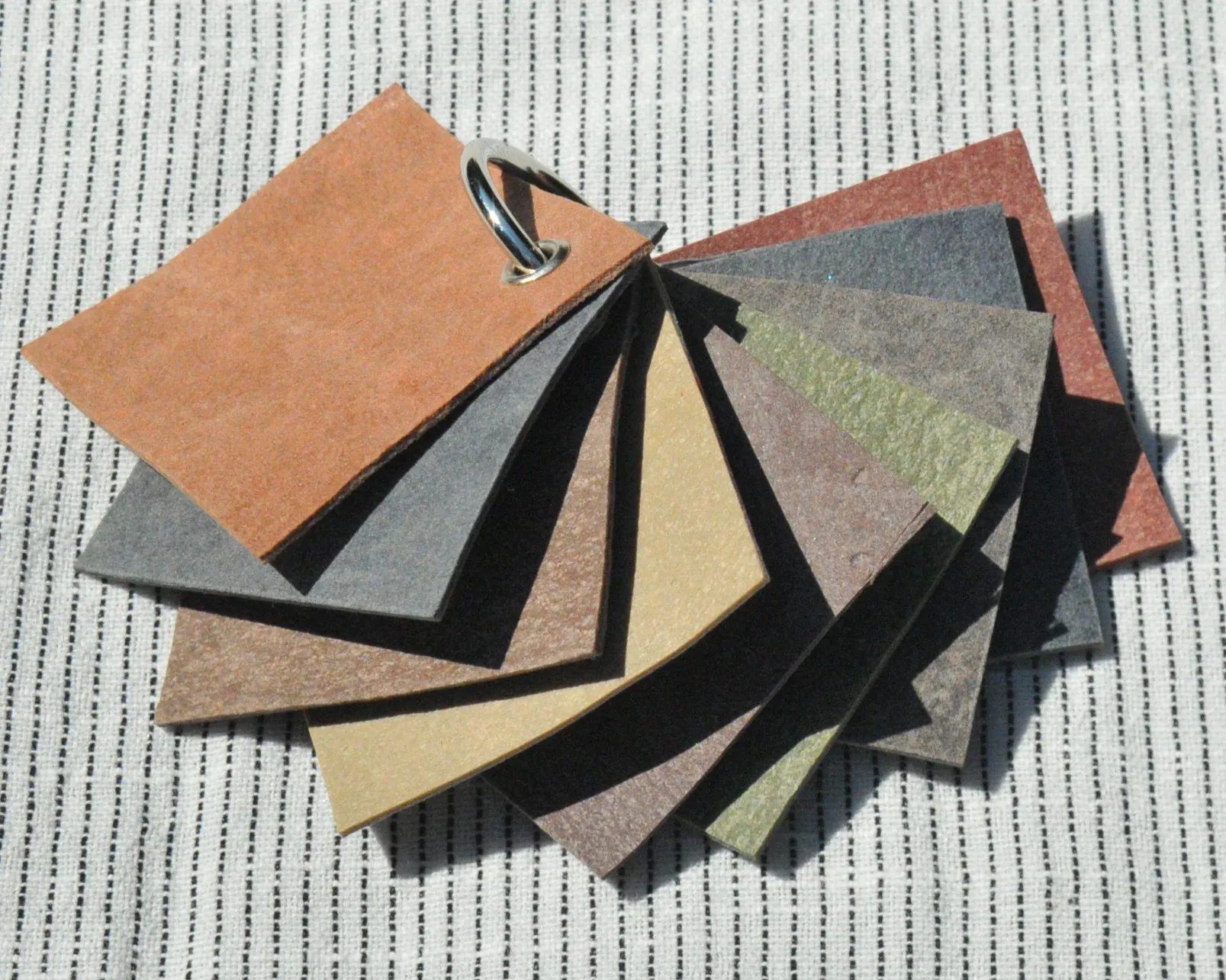
swatches

Production footprint

Innovative production methods.

We cultivate our own "leather" mats, which allows us to significantly decrease dependence on the harsh chemicals commonly used in animal-based leather manufacturing. By growing the cellulose composite that forms the foundation of our product, we eliminate the need for large quantities of petrochemicals that are typically required by other agricultural waste-based leather producers—such as those using mango, cactus, tomato, or apple byproducts—for material binding.

Verification

Pursuing third-party testing, not self-description.

We're pursuing USDA Certified Biobased Product status through independent ASTM D6866 radiocarbon testing — the standard method for measuring how much of a material's carbon content actually comes from renewable biological sources rather than petroleum. The test result itself is run by an accredited third-party lab, not reported by us.

We'll publish the certified number here the moment it's finalized, rather than quoting an internal estimate as if it were a certified figure.

Explore what’s possible with a bio-based, plastic-free material designed for real-world products.

Work with us